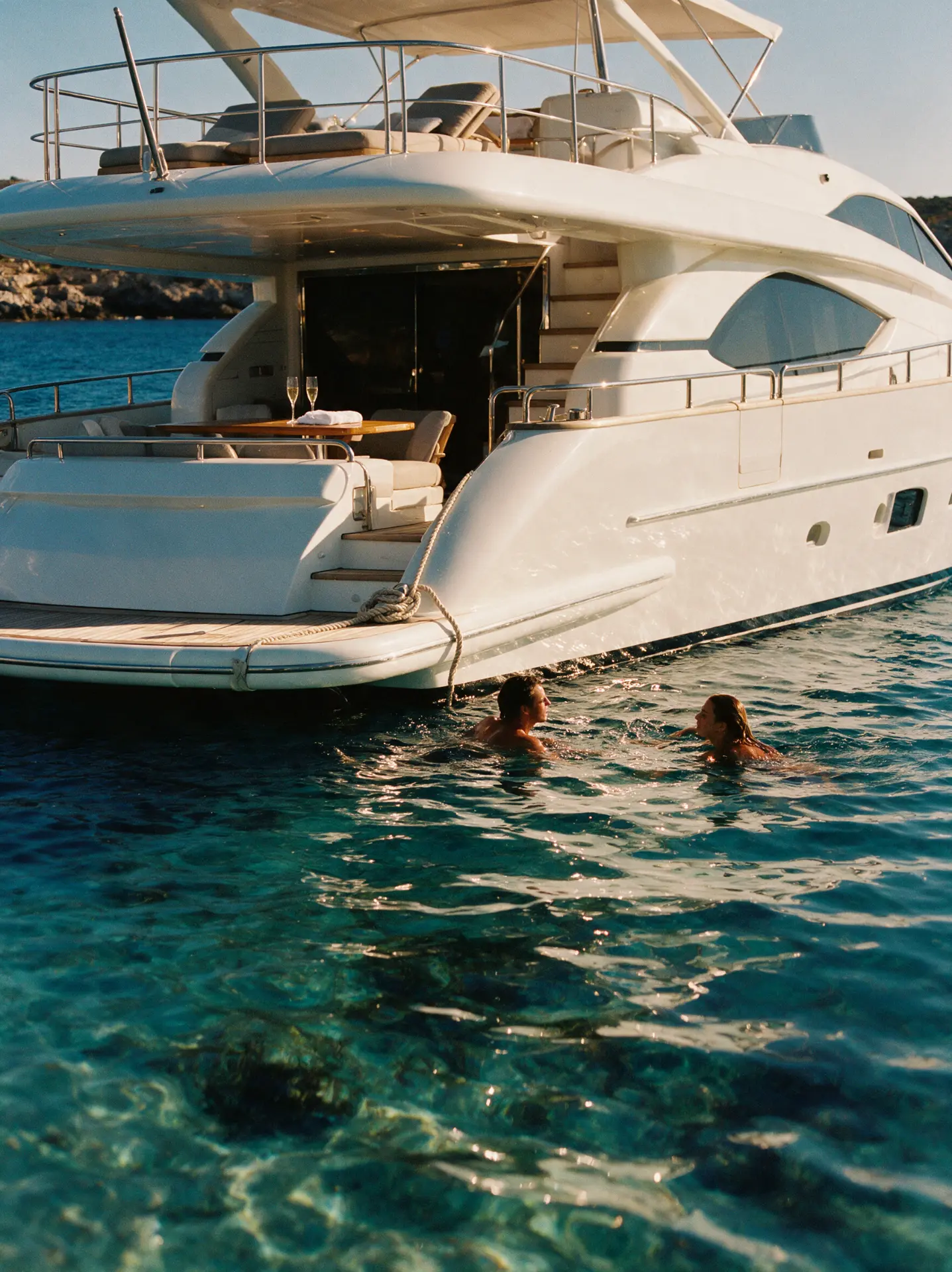
Choose a boat around your children’s ages and comfort, then confirm correctly sized life jackets and dependable shade before booking. Keep the route flexible and the day manageable, with an adult clearly responsible for supervision at every stage.
By The Ibiza Hotline team · Published 2026-11-26 · Updated 2026-11-26
Choose comfort before distance
Start with how your children manage travel, heat and unfamiliar surroundings, not with the longest route you could fit into a day. Tell the booking contact their ages and any practical needs. Ask about seating, shaded areas, the toilet, steps between levels and somewhere to rest away from the busiest part of the deck.
Photographs can help you shortlist a boat, but they cannot answer every safety question. Ask how boarding works and whether carrying a young child or moving a pushchair would be practical. A shorter outing with time to settle can be a better choice than a packed itinerary that leaves little room for changing moods.
Confirm life jackets before you arrive
Request life jackets suitable for each child’s size in advance, and ask what measurements the crew needs to select them. Do not assume that a boat carrying adult equipment automatically has the right options for a baby or small child. If a suitable fit cannot be confirmed, resolve that before you make the booking.
On board, ask the skipper to explain how the jackets should be fitted and when they must be worn. Have the children listen to a simple briefing about moving around, holding on and following instructions. Equipment does not replace supervision, and the skipper’s responsibility for the boat does not make the skipper your child’s dedicated carer.
Make shade and supplies part of the plan
Check whether shade is available where your family will actually sit, rather than only over a small area elsewhere on the boat. Bring sun protection, hats, drinking water and familiar snacks, subject to the boat’s rules. Ask what is already included so you do not rely on refreshments that are not part of your charter.
Pack essentials in an accessible bag rather than spreading them across several lockers. Include spare clothes and anything your child normally needs for rest or comfort. Ask about safe storage before departure, and keep passageways clear. A family day is easier when one adult can find a towel or drink without leaving another child unattended.
Keep swimming stops simple
Let the skipper decide where conditions are suitable for stopping and swimming. A cove that looks calm in a photograph may not suit the conditions on your day. Explain your children’s swimming confidence honestly, including whether anyone dislikes deep water, and avoid making a particular stop a non-negotiable promise.
Before anyone enters the water, agree who is supervising, how everyone will get back aboard and what the skipper wants you to do. Ask about the ladder and any suitable flotation equipment beforehand. Do not rely on inflatable toys as safety equipment. Keep the group together and be ready to end a swim when a child becomes tired or uncomfortable.
Plan around rest and possible seasickness
Leave room for quiet time, food and an earlier return if your family needs it. If your child is prone to travel sickness, ask a pharmacist or doctor for advice before the trip, rather than sharing someone else’s medicine. This is general information, not medical advice, and suitability depends on the child and the product.
Tell the skipper promptly if someone feels unwell. Do not press on towards a distant lunch booking just because it has been reserved. In an emergency call 112 and follow the skipper’s instructions. Keep any usual medication accessible, and tell the responsible adults where it is without leaving it within reach of young children.
Give every adult a clear role
Agree who watches each child during boarding, cruising, swimming and lunch. A vague assumption that everyone is watching can leave nobody properly responsible. If adults swap roles, say so clearly. Where children have different needs, plan how one adult can help a tired child without leaving another without supervision.
Confirm your meeting point, transfer arrangements and return plan before the day. Tell the group what the boat provides and what each family must bring. If the weather changes, accept the skipper’s advice about a different route, a shorter outing or cancellation under the booking terms. A successful family day does not depend on reaching every place on a list.
Ask your children what they are looking forward to and explain the day in simple terms before you travel. Knowing that there will be boat movement, unfamiliar noises and instructions from the skipper can make the experience less surprising. Avoid promising unlimited swimming or a specific destination before the conditions are known.
Give children one or two practical rules they can remember, while keeping responsibility with the adults. During the briefing, ask questions if you do not understand an instruction. If the boat or proposed plan does not feel suitable after those discussions, raise that concern before leaving rather than hoping the family will simply adapt.
How the Hotline helps
The Ibiza Hotline can help you ask about a family-friendly boat request and connect the day with your transport plans. You can also organise directly with the booking contact, using your children’s needs as the starting point.
Ask about the specific boat, suitable safety equipment, boarding arrangements and shade before deciding. Explain your baby’s needs and discuss any health concerns with a qualified clinician rather than treating every charter as equally suitable.
Will the crew look after the children?
Do not assume childcare is included. Keep a responsible adult assigned to each child’s needs. If you arrange separate childcare, check that everyone understands the setting, duties and safety expectations before departure.
What if your child gets seasick?
Tell the skipper early and be willing to change the plan. Seek individual advice from a doctor or pharmacist about prevention or medication. Call 112 in an emergency.
Should you book a full day?
Choose a duration your family can comfortably manage, not the longest available option. Discuss shorter routes, rest opportunities and return flexibility before paying, while checking how changes affect the booking terms.